VZ Bonnet Insulation: The Complete Guide to Protecting Your Holden Commodore
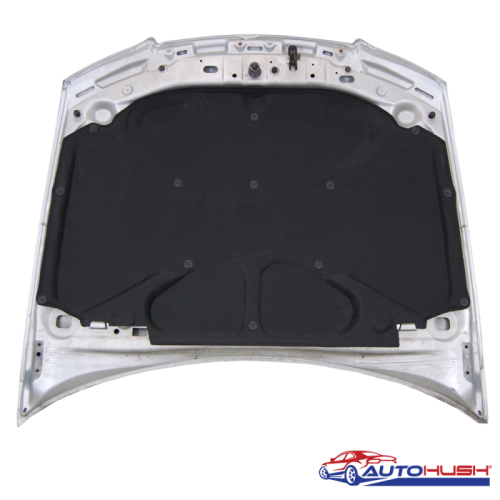
VZ Bonnet Insulation: The Complete Guide to Protecting Your Holden Commodore
Imagine opening the bonnet of your VZ Commodore only to find the original insulation sagging dangerously close to the engine, brittle and falling apart at the slightest touch. For many Holden owners, this isn't just a cosmetic annoyance; it's a sign that your engine's heat is no longer being managed effectively. Upgrading to high-quality vz bonnet insulation is the most critical step you can take to safeguard your car's longevity and protect its paint from the inside out.
You've likely invested significant time and money into keeping your VZ on the road; it's frustrating to see 'crow's feet' or paint fade appearing on the bonnet due to constant heat soak. We understand that a clean, professional engine bay is a point of pride for any Holden enthusiast, whether you're heading to a car show or just keeping your daily driver in top shape. This guide explains why high-density, custom-fit liners are the superior choice over generic universal kits. We'll explore how modern materials, engineered to meet international fire-retardant standards like DIN75200, provide a quieter cabin and keep your factory or custom paintwork looking pristine for years to come.
Key Takeaways
- Understand why factory liners fail after two decades and how this degradation leads to permanent paint damage on your VZ Commodore.
- Discover how high-density vz bonnet insulation acts as a thermal shield to prevent 'crow's feet' and significantly reduce engine clatter.
- Learn the technical differences between standard materials and professional-grade composites that feature oil-resistant protective skins.
- Master the preparation process for a clean DIY installation, including the critical steps for ensuring adhesives bond permanently to the metal.
- See why choosing a custom-fit kit manufactured in Pakenham ensures a professional finish without the frustration of trimming universal liners.
Table of Contents
- Why Your Holden VZ Commodore Needs Quality Bonnet Insulation
- The Science of Heat Management and Engine Noise Reduction
- Comparing VZ Bonnet Insulation Materials: Standard vs. Professional Grade
- How to Install and Maintain Your VZ Bonnet Liner
- Custom-Fit VZ Bonnet Insulation Kits from Tru-Fit Carpets by Vision Auto
Why Your Holden VZ Commodore Needs Quality Bonnet Insulation
The VZ Commodore series, produced between 2004 and 2006, remains a staple of Australian roads. However, after two decades, the factory-fitted insulation is often well past its prime. High-quality vz bonnet insulation acts as a critical thermal barrier between the intense heat of the engine and the exterior metal panel. Without this protection, your car faces significant risks ranging from aesthetic damage to safety hazards.
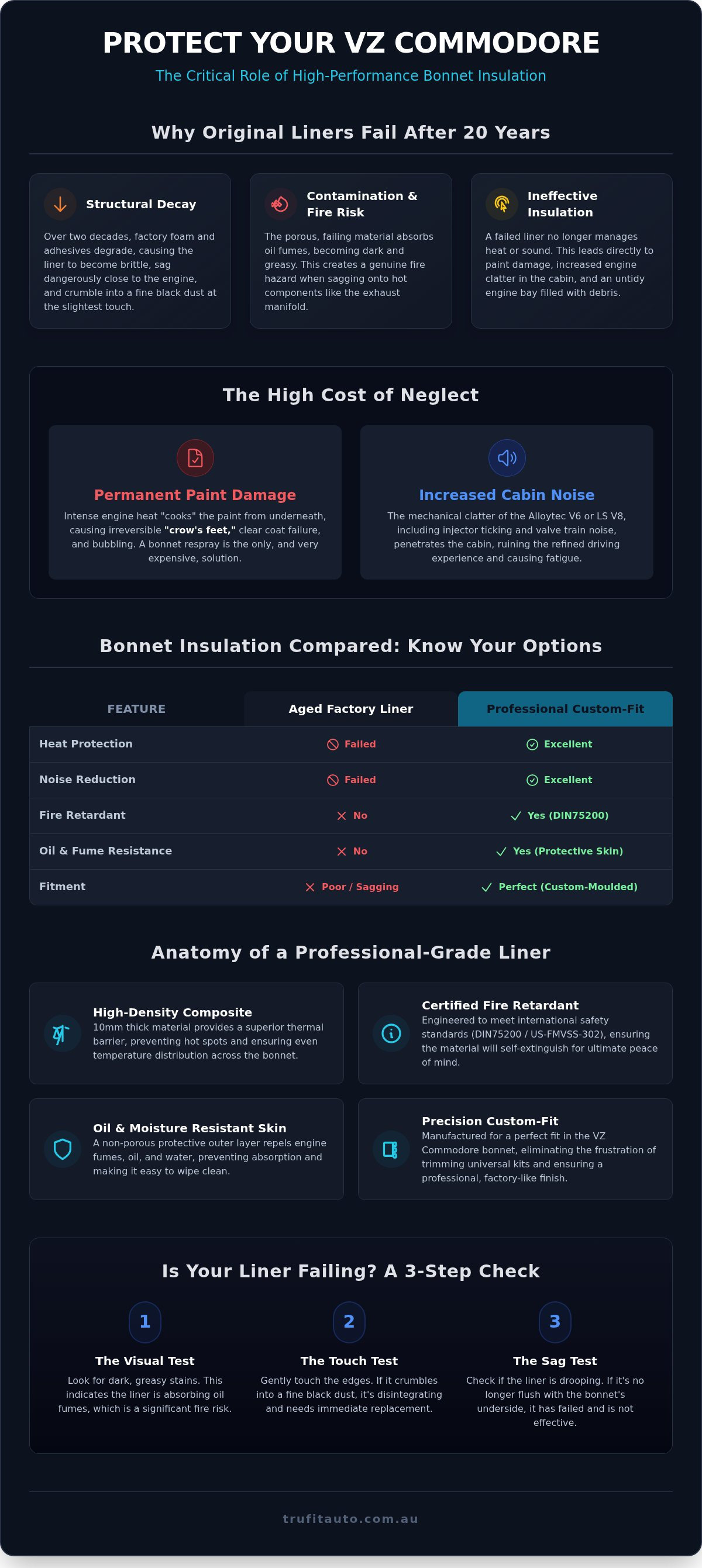
The most common issue VZ owners report is the "sagging" liner. Over time, the adhesive and structural integrity of the factory foam degrade. This causes the material to droop, often resting directly on the engine cover or, more dangerously, the exhaust manifold. Replacing this with a modern, high-density solution ensures the heat stays where it belongs. Beyond heat management, there's the acoustic benefit. Quality insulation dampens the mechanical clatter of the Alloytec V6 or the LS-series V8. Understanding The Science of Engine Noise Reduction helps explain how these materials absorb high-frequency vibrations before they reach the cabin, providing a much more refined driving experience.
Identifying a Failing Bonnet Liner
Check your engine bay regularly for these warning signs. If the liner looks dark and greasy, it's likely absorbing oil fumes; this creates a genuine fire risk in the enclosed space. Touch the edges of the material. If it crumbles into a fine black dust, it's disintegrating. This dust clogs air filters and ruins the look of your engine bay. Finally, perform the "sag test." If the liner is no longer flush with the bonnet's underside, it's failed. A sagging liner restricts airflow and can eventually melt onto engine components.
The VZ Commodore Heat Factor
Both the V6 and V8 VZ models generate substantial under-bonnet temperatures. In the peak of an Australian summer, these temperatures can soar, effectively "cooking" the bonnet's paint from underneath. This leads to "crow's feet" or clear coat failure, which is a permanent and expensive problem to fix. Installing fresh vz bonnet insulation is a practical financial decision. A high-quality replacement costs a fraction of a professional bonnet respray. By maintaining a stable temperature at the panel surface, you preserve the factory finish and maintain the vehicle's resale value.
The Science of Heat Management and Engine Noise Reduction
Thermal management within the VZ Commodore's engine bay is a complex challenge due to the enclosed nature of the engine compartment. In this environment, heat transfers from the engine block to the bonnet panel via thermal radiation and convection. Without a functional barrier, the steel bonnet acts as a heat sink, absorbing this energy until it reaches temperatures that compromise the paint's molecular bond. High-quality vz bonnet insulation works by disrupting this transfer, utilizing low-conductivity materials to keep the external panel temperature significantly lower than the air inside the bay.
Using Professional Grade Insulation Materials as a benchmark for performance, we see that effective barriers don't just block heat; they manage how energy is dissipated. For owners looking to restore their vehicle's protection, investing in automotive soundproofing designed for Australian conditions is a logical first step toward long-term preservation. Beyond thermal control, material choice is critical for safety. Modern aftermarket kits are engineered to meet fire-retardant standards such as US-FMVSS-302, ensuring that the material will self-extinguish rather than fuel a fire in the event of a mechanical failure.
Thermal Barrier Performance
Effective insulation maintains a consistent temperature across the entire bonnet surface. This is vital for preventing localized "hot spots" directly above the exhaust manifolds or turbochargers, which are the primary cause of clear coat bubbling and discoloration. While heat reflection uses a foil layer to bounce radiation back into the engine bay, heat absorption involves the material soaking up and slowing down the movement of thermal energy. A professional-grade 10mm kit provides the necessary thickness to ensure these hot spots never reach the exterior paintwork.
Acoustic Insulation for the VZ Cabin
The VZ range, particularly those equipped with the Alloytec V6, can suffer from high-frequency mechanical noise, such as injector ticking and valve train clatter. High-density vz bonnet insulation acts as an acoustic sponge, trapping these sound waves within its cellular structure. By lowering the overall noise floor, the vehicle regains a sense of luxury and refinement that is often lost when the factory liner disintegrates. Acoustic absorption in automotive applications is the conversion of sound energy into heat through the friction of air molecules within high-density open-cell foam. This process results in a noticeable decibel reduction within the cabin, making long-distance cruising significantly more comfortable for both the driver and passengers.
Comparing VZ Bonnet Insulation Materials: Standard vs. Professional Grade
Choosing the right material for your vz bonnet insulation determines whether you're performing a permanent fix or a temporary patch. Factory liners were typically manufactured from pressed organic fibers or low-density open-cell foam. While effective when new, these materials lack the structural resilience to withstand twenty years of heat cycles. Modern professional-grade replacements utilize polyurethane or fiberglass composites. These advanced materials offer superior thermal stability and won't become brittle or turn to dust under the harsh Australian sun.
A critical feature of professional insulation is the "skin" or protective outer layer. Standard factory liners often lack this, leaving the core material exposed to oil mist and coolant vapors. Over time, the insulation acts like a sponge, becoming saturated with flammable fluids. A high-quality aftermarket liner features a sealed surface that repels these liquids, maintaining its fire-retardant properties and preventing the weight gain that leads to sagging. While traditional mechanical clips are still used, combining them with a high-temperature self-adhesive backing provides the best longevity for the VZ. This ensures the material remains flush against the metal, eliminating the air gaps where heat can build up.
Weight is another factor often overlooked by DIY enthusiasts. Some heavy-duty sound deadening sheets weigh significantly more than the original part. If the insulation is too heavy, it puts unnecessary strain on your bonnet struts, potentially causing them to fail or making the bonnet difficult to open. A professional 10mm kit is engineered to provide maximum thermal protection without exceeding the weight limits of the factory gas struts.
Why 'Universal' Kits Often Fail
Many owners are tempted by "universal" insulation sheets because they seem cost-effective. However, the VZ Commodore bonnet features a complex network of structural ribs and bracing. Trimming a raw sheet to fit these contours is a frustrating, time-consuming process that often results in a messy finish. More importantly, many no-name imports use adhesives that aren't rated for the 100°C+ temperatures found in a VZ engine bay. This leads to adhesive failure within months, leaving you with a sagging liner that's worse than the one you replaced. There's also the significant risk of using materials that aren't fire-rated, which can be catastrophic in the event of an engine fire.
The Tru-Fit Carpets by Vision Auto Custom-Fit Advantage
The range from Tru-Fit Carpets by Vision Auto is precision-cut in Pakenham, Victoria, specifically for the VZ Commodore's structural design. Because these kits are designed to fit around the factory ribs, you don't need to spend hours with a utility knife trying to get a professional look. Our materials are engineered for the Australian climate, ensuring they won't delaminate or crumble even after years of exposure to extreme heat. Installation is straightforward and doesn't require specialized equipment; the custom-fit nature means the pieces align perfectly with the bonnet's internal geometry. Tru-Fit Carpets by Vision Auto provides a factory-clean appearance with professional-grade vz bonnet insulation that universal products simply cannot match.
How to Install and Maintain Your VZ Bonnet Liner
Installing new vz bonnet insulation is a rewarding DIY project that significantly improves your Commodore's engine bay. However, the success of the installation depends entirely on the quality of your preparation. Removing a 20-year-old factory liner is a notoriously messy task. The aged foam often disintegrates into a fine, sticky dust that can coat your engine components. Before you begin, cover the entire engine bay with a large drop sheet or old blanket to catch the debris. This simple step saves hours of cleaning later.
Step-by-Step Installation Guide
Start by removing the factory plastic clips using a dedicated trim removal tool. Don't attempt to pry them with a flat-head screwdriver, as this often scratches the paint or snaps the brittle plastic. If your clips are original, they'll likely break regardless of your care; it's best to have a fresh set of VZ-specific clips ready before you start. Once the clips are out, peel the old liner away carefully. If it's stuck, use a plastic scraper to avoid gouging the metal.
The secret to a permanent bond is a surgically clean surface. Use a high-quality wax and grease remover or isopropyl alcohol to degrease the underside of the bonnet. Any remaining oil film or old adhesive will cause the new vz bonnet insulation to peel within weeks. Focus particularly on the recessed areas and around the structural ribs where grime tends to accumulate. This ensures the 10mm high-density material bonds perfectly to the metal panels.
When applying the new liner, use the center-out technique. Peel back a small section of the adhesive backing in the middle and align it with the bonnet's central rib. Gradually work your way toward the edges, pressing firmly to eliminate air bubbles. Pay close attention to the alignment around the bonnet hinges and the latch mechanism. A custom-fit kit should sit flush against these components without requiring any trimming. Once the adhesive is set, reinstall the plastic clips to provide secondary mechanical support for a 'set and forget' finish.
Maintenance and Care
Maintaining your new insulation is straightforward. When cleaning your engine bay, avoid using high-pressure water directly on the liner. While professional-grade materials are water-resistant, high-pressure spray can force moisture behind the adhesive or damage the protective skin. Instead, wipe the surface with a damp microfiber cloth if it becomes dusty. During your regular oil changes, inspect the liner for signs of fresh oil saturation. If you spot dark patches, it's a signal to check your rocker cover gaskets or power steering lines for leaks. To ensure your Commodore stays protected, browse our range of custom-fit VZ bonnet insulation kits today.
Custom-Fit VZ Bonnet Insulation Kits from Tru-Fit Carpets by Vision Auto
Tru-Fit Carpets by Vision Auto manufactures every vz bonnet insulation kit right here in Pakenham, Victoria. This local manufacturing approach ensures that every piece meets our strict engineering standards for high-temperature resistance and long-term durability. We've spent decades refining our production processes to support the Australian automotive industry heritage, providing Commodore enthusiasts with parts that actually fit the first time. Our commitment to quality means Tru-Fit Carpets by Vision Auto doesn't rely on generic imports; we create tailored solutions that address the specific heat-management needs of the VZ platform.
The promise from Tru-Fit Carpets by Vision Auto is built on precision fitment and superior material science. When you order your kit, you receive a product engineered to withstand the extreme under-bonnet temperatures generated by the Alloytec V6 and LS-series V8 engines. Each kit is precision-cut to match the unique structural ribs of the VZ bonnet, ensuring a professional finish that looks factory-correct. Inside the box, you'll find your custom-cut high-density insulation, typically featuring a 10mm thickness for optimal thermal and acoustic performance. We provide the necessary high-temperature adhesive backing or mechanical clip points required for a secure, permanent fit that won't sag or delaminate over time.
Engineered for Holden Enthusiasts
Our history is rooted in providing high-quality insulation for both classic and modern Australian cars. VZ owners choose Tru-Fit Carpets by Vision Auto for their restoration projects because we understand that these vehicles are more than just transport; they're an investment in Australian motoring history. Whether you're refreshing a daily driver or preparing a show car for the next meet, our liners provide the protection your paintwork deserves. You can explore our full Soundproofing & Insulation collection to see how we support the entire Holden range with locally made products designed for our harsh climate.
Complete Your Interior Protection
To achieve the ultimate cabin experience, many owners pair their new bonnet liner with our high-quality moulded carpets. While the vz bonnet insulation manages engine heat and high-frequency clatter, our interior soundproofing solutions target road noise and floor-pan vibration. This combination creates a quiet, heat-protected ride that significantly improves the vehicle's luxury feel. A quiet cabin and a protected bonnet are essential for maintaining the resale value of your Commodore. Don't let engine heat compromise your expensive paintwork or cabin comfort any longer.
Shop VZ Bonnet Insulation at Tru-Fit Carpets by Vision Auto
Protect Your Paint and Restore Your Cabin Comfort
Preserving the finish on your Holden VZ Commodore requires more than just regular washing and waxing. Effective heat management is the only way to prevent permanent clear coat failure and the dreaded 'crow's feet' on your bonnet. By replacing a sagging, oil-soaked factory liner with high-quality vz bonnet insulation, you create a durable thermal barrier that protects your expensive paintwork and significantly lowers the engine noise floor for a more refined drive.
Tru-Fit Carpets by Vision Auto offers a superior alternative to generic, universal kits that often lead to adhesive failure and messy trimming. Our liners are Australian Made in Pakenham using high-heat rated materials specifically engineered for the Commodore's unique engine bay geometry. This precision custom fit ensures a factory-clean appearance and maximum protection without the risk of the material touching hot engine components. Don't wait for the summer heat to compromise your vehicle's value.
Upgrade Your VZ Commodore with Custom Bonnet Insulation and give your Holden the professional-grade protection it deserves. Investing in a quality thermal solution today is the smartest way to keep your VZ looking and sounding its best for years to come.
Frequently Asked Questions
Will VZ bonnet insulation stop my paint from fading?
Yes, quality vz bonnet insulation is essential for long-term paint protection. It creates a thermal shield that prevents engine heat from radiating directly into the metal panel. Without this barrier, high temperatures cause the clear coat to expand and contract rapidly, leading to clear coat failure and fading. By keeping the bonnet surface at a stable temperature, you ensure your factory or custom paint remains in show-room condition for years.
Can I install the bonnet liner myself or do I need a professional?
You can easily install the kit yourself as it's designed for straightforward DIY fitment. Tru-Fit Carpets by Vision Auto provides precision-cut kits that match the internal geometry of the VZ Commodore, eliminating the need for complex trimming. While we don't provide installation services, the process involves simple cleaning and alignment that most owners can complete in under an hour. Our custom-fit design ensures a professional result without the need for specialized mechanical expertise.
Is the insulation material fire-resistant?
Safety is a priority, so all our materials are engineered to be fire-retardant. Modern composites used in our kits meet strict safety standards to ensure they won't fuel an engine bay fire. This is a significant upgrade over original factory liners, which often become saturated with flammable oil fumes and coolant over decades of use. Our materials are designed to self-extinguish and withstand extreme thermal cycles without degrading or posing a hazard.
Does the kit come with the plastic mounting clips?
Our kits are designed to work with your vehicle's factory mounting system. While we don't always include plastic clips, our 10mm kits often feature a high-temperature self-adhesive backing. This adhesive provides a primary bond across the entire surface area, while the factory clips act as secondary mechanical support. We recommend purchasing a fresh set of clips if your originals have become brittle or snapped during the removal of the old, sagging liner.
How do I remove my old, sagging VZ bonnet liner?
Start by covering your engine with a drop sheet to catch crumbling foam. Use a plastic trim tool to carefully pry out the existing clips. Since the factory material is likely brittle, it may break into pieces as you remove it. Once the panel is bare, use a high-quality wax and grease remover to strip away any remaining adhesive or grime. A clean surface is vital for the new adhesive to bond permanently.
Will this fit all VZ models, including the Crewman and Monaro?
Our precision-cut vz bonnet insulation is compatible with the entire VZ Commodore range. This includes the standard sedan, wagon, and utility models, as well as the Crewman and Monaro variants. Because the internal structural bracing of the bonnet remained consistent across these body styles, our kits provide a perfect fit for every model. This ensures comprehensive heat and noise protection regardless of whether you're driving a V6 executive or an LS2 powered V8.
How long does a Tru-Fit Carpets by Vision Auto bonnet insulation kit typically last?
We manufacture our kits in Pakenham using durable, high-density materials designed to outlast the original factory equipment. While standard foam liners often fail after fifteen to twenty years, our modern composites are built to resist the delamination and crumbling caused by Australian heat cycles. You can expect our insulation to provide reliable thermal and acoustic protection for the lifetime of your vehicle, provided the engine bay is kept free from major fluid leaks.
Does the insulation make the car quieter inside the cabin?
Yes, reducing cabin noise is a primary benefit of our high-density insulation. The material acts as an acoustic sponge, trapping high-frequency mechanical sounds like injector ticking and valve train noise before they reach the firewall. This lowers the overall decibel level inside the cabin, making your Commodore feel more refined and comfortable. It's a particularly effective upgrade for daily drivers and long-distance cruisers looking to improve their overall driving experience.